Are you in the market for a new transformer but not sure which type to choose? With so many different transformer types available, it can be difficult to know which one is right for your needs.
In this article, we’ll compare two of the most popular types of transformers: auto transformers and isolation transformers. We’ll discuss the advantages and disadvantages of each type and help you decide which one is best for your specific situation.
Whether you’re a DIY enthusiast, an electrician, or an engineer, choosing the right transformer is critical for your project’s success. With the information in this article, you’ll be able to make an informed decision and feel confident that you’ve selected the right type of transformer for your needs.
Let’s get started.
Auto Transformers
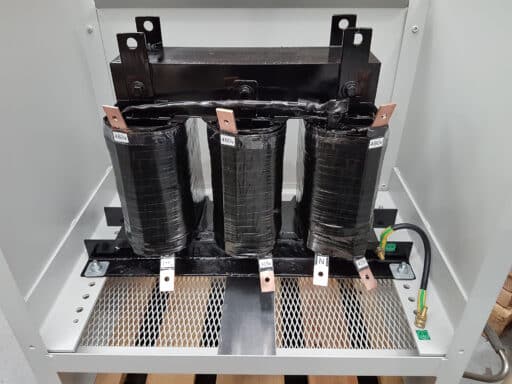
Auto transformers are a type of transformer that has a single winding, which is used as both the primary and secondary winding. The primary winding acts as both the input and output. As a result, auto transformers are more compact and often less expensive than isolation transformers.
Auto transformers work on the principle of electromagnetic induction to transfer electrical power from one circuit to another with the help of a magnetic field.
Advantages of Auto Transformers:
- High Efficiency: Auto transformers have a higher efficiency than isolation transformers, which means that they waste less energy in the form of heat. This is because they have fewer windings and, therefore, less resistance.
- Compact Size: Auto transformers are smaller and lighter than isolation transformers. This makes them ideal for use in applications where space is limited or where portability is important.
Disadvantages of Auto Transformers:
- Inability to Provide Electrical Isolation: One of the biggest disadvantages of autotransformers is that they cannot provide electrical isolation between the input and output. This means that if there is a fault in the output circuit, it can affect the input circuit as well, which could be dangerous.
- Limited Voltage Regulation: Auto transformers have limited voltage regulation capabilities, which means that they are not well-suited for applications where precise voltage control is required.
Overall, auto transformers are a good choice for applications where high efficiency and compact size are important and where electrical isolation is not a critical requirement. However, they may not be the best choice for applications where voltage regulation is critical or where electrical isolation is required.
Isolation Transformers
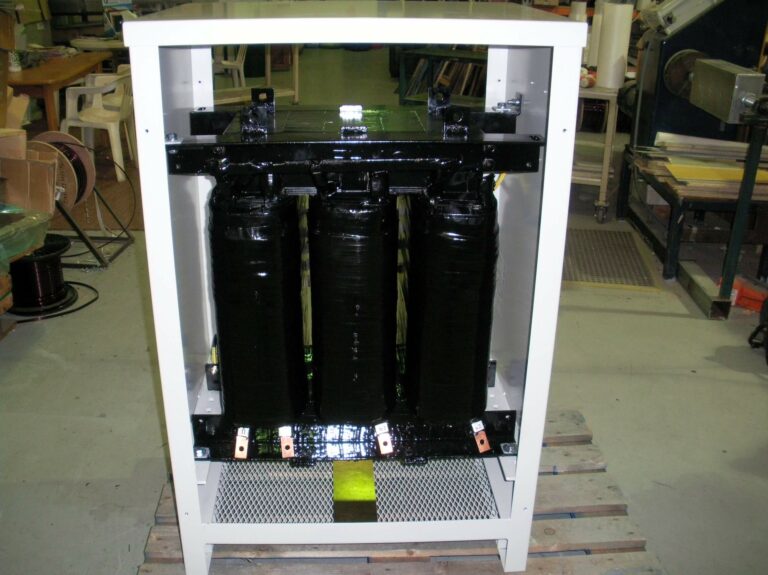
Isolation transformers are a type of transformer that have primary and secondary windings that are electrically isolated from each other. They are designed to provide electrical isolation and reduce the risk of electric shock. Isolation transformers often use AC power supply voltage and can be used to convert AC power from one voltage level to another. It is able to provide an input voltage but at a higher or lower current.
Advantages of Isolation Transformers:
- Electrical Isolation: One of the biggest advantages of isolation transformers is that they provide electrical isolation between the input and output, which means that any faults in the output circuit will not affect the input circuit. This is important in applications where electrical safety is a concern.
- Reduced Risk of Electric Shock: Isolation transformers also help to reduce the risk of electric shock by isolating the primary and secondary circuits. This is particularly important in applications where there is a risk of exposure to high voltages or where the equipment is located in a damp or wet environment.
Disadvantages of Isolation Transformers:
- Lower Efficiency: Isolation transformers have a lower efficiency than auto transformers, which means that they waste more energy in the form of heat. This is because they have more windings and, therefore, more resistance.
- Larger Size: Isolation transformers are larger and heavier than auto transformers. This can make them less suitable for applications where space is limited or where portability is important.
Overall, isolation transformers are a good choice for applications where electrical isolation and safety are important and where voltage regulation is not critical. However, they may not be the best choice for applications where high efficiency or compact size is required.
Comparison of Auto Transformers and Isolation Transformers
When deciding between an auto transformer and an isolation transformer, there are several factors to consider. Here are the main features to compare and contrast:
- Efficiency: Auto transformers are more efficient than isolation transformers, as they have fewer windings and therefore, less resistance. This means that auto transformers waste less energy in the form of heat.
- Size: Auto transformers are smaller and lighter than isolation transformers, which makes them more suitable for applications where space is limited or where portability is important. Isolation transformers are larger and heavier, which can make them less suitable for such applications.
- Cost: Auto transformers are generally less expensive than isolation transformers, as they have fewer windings and therefore require less copper wire. Isolation transformers are more expensive due to the additional winding required for electrical isolation.
- Electrical Isolation: Auto transformers do not provide electrical isolation between the input and output, which means that any faults in the output circuit can affect the input circuit as well. Isolation transformers provide electrical isolation, which makes them more suitable for applications where electrical safety is a concern.
Examples of situations where one type of transformer might be more appropriate than the other include:
- If you need to power a device that requires a precise output voltage, an auto transformer might be the better choice, as they have better voltage regulation capabilities.
- If you need to power a device in a location where electrical safety is a concern, such as a damp or wet environment, an isolation transformer might be the better choice, as it provides electrical isolation and reduces the risk of electric shock.
- If you need to power a device in a location where space is limited, an auto transformer might be the better choice, as they are smaller and lighter than isolation transformers.
- If you need to power a device that requires a lot of power, an isolation transformer might be the better choice, as they have higher power ratings and can handle more current than auto transformers.
Ultimately, the choice between an auto transformer and an isolation transformer will depend on the specific requirements of your application.
5 Tips to Determine Whether You Need an Isolation Transformer or an Autotransformer
Choosing the right transformer for your electrical system is crucial for efficiency, safety, and compliance. Many electricians and engineers often ask: When should I use an isolation transformer, and when is an autotransformer the right choice? To help you make an informed decision, here are five key factors to consider.
1. Rule of Thumb
If the equipment needing voltage conversion could be wired directly into the supply in its country of origin, then an autotransformer is typically suitable. If isolation was required in the original setup, you’ll likely need an isolation transformer in the new installation as well.
2. Determine the Need for Electrical Isolation
Isolation transformers provide complete electrical separation between the primary and secondary windings, which helps prevent ground loops, electrical noise, and shock hazards. If your application requires safety isolation—such as in medical, sensitive industrial, or control system environments—an isolation transformer is essential.
Autotransformers, on the other hand, do not provide isolation because the primary and secondary share a common winding. If electrical isolation is not a requirement, an autotransformer can be a more cost-effective and compact solution.
3. Consider the Voltage Conversion Ratio
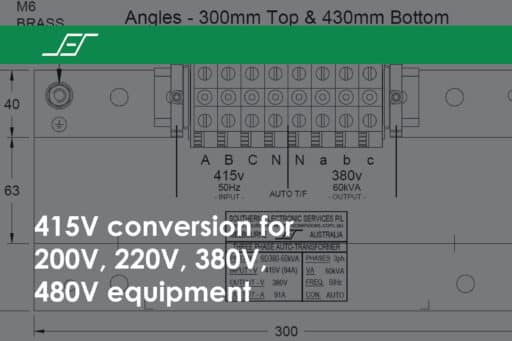
If the voltage step-up or step-down requirement is small, an autotransformer is typically the better choice due to its smaller size, lower cost, and higher efficiency. For example, converting 480V to 415V in industrial applications is a common use case for autotransformers.
However, when dealing with large voltage differences, such as stepping down 480V to 120V, an isolation transformer is often the preferred option to ensure voltage stability and safety compliance.
4. Assess Space and Cost Constraints
Autotransformers are generally more compact and lightweight compared to isolation transformers of the same power rating. Since they share a common winding, they use fewer materials, making them more cost-effective. If space is limited or budget is a concern, an autotransformer is an efficient choice.
Isolation transformers, while larger and more expensive, provide added protection against transients, surges, and electrical noise, which may justify their higher cost in critical applications.
5. Identify Safety and Compliance Requirements
Certain industrial applications, especially those involving hazardous locations, sensitive equipment, or international safety standards, may require isolation transformers to meet regulatory requirements. Industries such as healthcare, power distribution, and critical control systems often mandate isolation to enhance operator safety and equipment longevity.
Autotransformers, while efficient, do not meet certain safety isolation standards and should only be used when compliance regulations allow their application.
Quick decision checklist
The choice between an isolation transformer and an autotransformer depends on your specific application, safety considerations, space limitations, and regulatory requirements. Use this guide to determine which transformer type is right for your project:
- ✅ Need electrical isolation? → Choose an isolation transformer.
- ✅ Small voltage conversion (e.g., 480V to 415V)? → Use an autotransformer.
- ✅ Limited space and budget? → An autotransformer is more cost-effective.
- ✅ Working with sensitive electronics? → Isolation transformers reduce electrical noise.
- ✅ Have strict safety or compliance standards? → Isolation transformers provide necessary protection.

How To Get a Custom Auto or Isolation Transformer
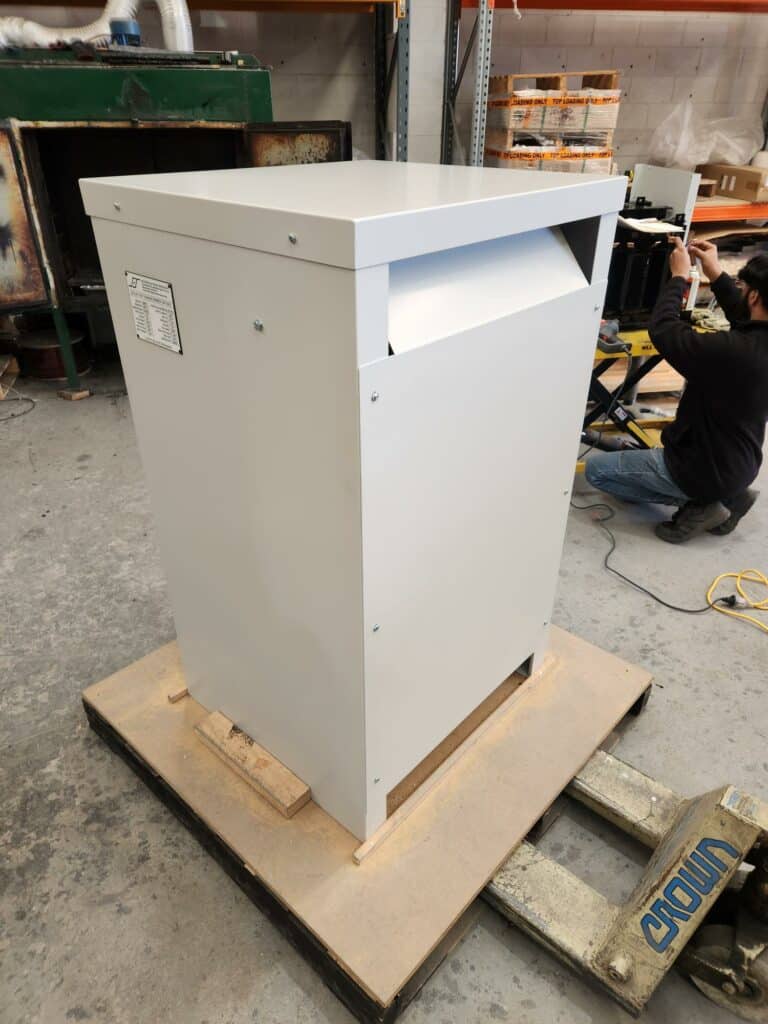
Custom auto and isolation transformers can be designed to your exact specifications by a reliable manufacturer.
Southern Transformers is a leading transformer manufacturer in Australia with more than 50 years of experience in the industry. We offer a wide range of transformers for both industrial and commercial applications, which are all listed on our website.
You can also visit our physical store or get in touch to discuss your custom transformer needs. To do that, reach out to us here.
Do You Deliver Transformers Australia-Wide?
Yes, we deliver our transformers to almost any location in Australia. To find out our delivery options for your area, get in touch with us.
Conclusion
In conclusion, both auto transformers and isolation transformers have their advantages and disadvantages, and the right choice depends on the specific requirements of your application.
At Southern Transformers, we specialise in auto transformers and isolation transformers, so if you have any questions or need help choosing the right type of transformer for your application, please do not hesitate to contact us.
Get the Latest in Power Transformer Solutions
Get industry insights, product updates, and exclusive offers